
Bitcoin Isn’t Just for the Rich — Here’s How You Can Start with a Few Dollars
Bitcoin isn’t just for the rich. That’s a common myth—and it keeps people from getting started.You don’t need to be wealthy to buy Bitcoin. You don’t even need to buy a whole one. A single Bitcoin can be split into 100 million parts, called satoshis. That means you can start with just a few pounds. And you don’t need to be a tech expert either. Buying and storing Bitcoin has become much simpler. Apps do most of the work. Some even let you set up automatic purchases from your bank account. But people still hesitate. High prices, news headlines, and talk of big investors make it feel out of reach. This guide clears that up. You’ll learn how Bitcoin works in small amounts, where to start safely, and how everyday people already use it. Bitcoin was made for everyone—not just those with deep pockets.
How Little It Takes: Understanding Sat‑Sats and Fractions
Bitcoin is divisible into tiny pieces. One bitcoin can be split into 100 million parts. These parts are called satoshis, or sats. You don’t need £30,000 or even £100 to start. You can own just a few pence worth of sats. Most platforms let you buy £2, £5, or £10 of Bitcoin, no problem. And that means everyone can begin. No big sums needed. You just set aside a little money regularly. Then it adds up—and you own a piece of Bitcoin. But watch fees. If you buy too little, transaction charges may eat much of it. Most crypto services require a minimum purchase—around $2–$10—which covers fees. Think of sats like pennies. You don’t need to save pounds. Just save pennies—and watch your Bitcoin grow.
Why People Think Bitcoin Is for the Rich
Big Bitcoin price tags grab Headlines. People see “$30k per BTC” and feel it’s out of reach. But that’s misleading. The actual cost to start is much smaller. And influential voices amplify that myth. Billionaires, institutional investors, and media reports highlight those big purchases. That makes it seem like only wealthy players matter. But that misses how Bitcoin works. It’s divisible. You can own a fraction. The tech isn’t reserved for the few. It’s meant for everyone. Yet this detail often gets buried. Another barrier is tech fear. People worry they need deep technical knowledge. But most platforms hide complexity behind simple apps. You don’t need to mine or run a node. User‑friendly designs do the rest. These myths—big numbers, rich users, technical barriers—fuel doubt. But understanding basics clears the path. Anyone can start small. Anyone can step in.
Beginner‑Friendly Tools: Wallets, Exchanges & Apps
Your first step: pick a simple wallet or exchange. It should be easy and safe.
Hot wallets are apps online – They’re free and fast. You can send or receive Bitcoin instantly on your phone. But they’re always connected to the internet. That makes them more vulnerable to hacking.
Cold wallets are hardware devices – They store your Bitcoin offline. That keeps it safe from online threats. Ledger and Trezor are popular choices among beginners.
Best hot wallet for users? Zengo has no seed phrase to manage. It uses facial biometrics instead. It’s great for beginners.
Desktop wallet for Bitcoin-only users? Electrum offers more advanced control. It works on Windows, Linux, and Mac. But it’s a bit more technical.
What matters most?
• User-friendly setup.
• Low minimum purchases, like £5–£10.
• Strong security—2FA or biometric login.
Pick one or two tools. Practice sending small amounts. And once you feel comfortable, explore more advanced options.
Changelly helps buying bitcoins using your debit and credit cards with a simple, user-friendly interface and supports small purchases for beginners.
Smart & Safe First Steps
Starting small works. You can begin with as little as £5–£10 and still make progress.
Set up a recurring buy. That means you invest a fixed amount at regular intervals—like weekly or monthly. And it removes the stress of timing the market.
Use dollar-cost averaging (DCA). It smooths out market ups and downs. You’ll buy more when prices are low, fewer when prices rise.
Pick a trusted platform with low minimums and clear fees. Options like Coinbase, Kraken, or Binance let you set £5–£10 purchases automatically.
Track your budget — Only use money you can afford. Experts recommend placing just 1–5 % of your portfolio into crypto.
Secure your setup— Enable two-factor authentication (2FA). And if your balance grows, consider a hardware wallet for extra protection.
Small steps, done consistently, lead to real accumulation — they build good crypto habits.
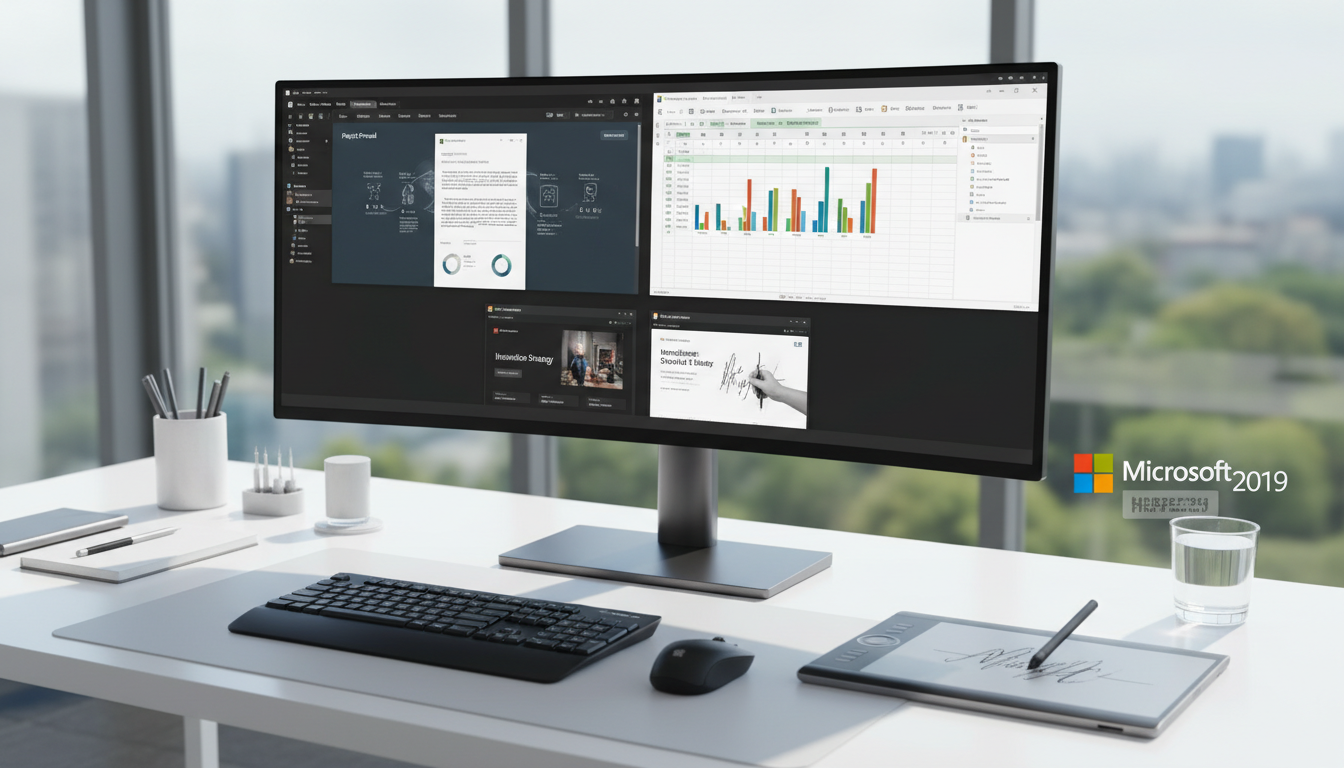
Just like Bitcoin is no longer reserved for the rich, essential digital tools like Microsoft Office and Windows are also more accessible than ever—especially on FastSoftwares.com. If you’re starting your crypto journey with just $10, you can also power up your laptop with a budget-friendly Microsoft Office suite or a genuine Windows license for less than you’d expect.
These tools aren’t just for professionals or big businesses—they’re for everyday users who want secure, efficient, and powerful software to manage their finances, study, or run side hustles like crypto trading. Microsoft Excel can help you track your Bitcoin buys, calculate dollar-cost averages, and visualize your savings over time. Microsoft Outlook keeps your alerts, wallet notifications, and investment updates organized in one secure inbox. Want to present your learnings or crypto strategy? Use PowerPoint to create clear, professional slides. And with Microsoft Teams, you can join global crypto communities or collaborate with friends on finance goals—all from one app. With discounted prices, instant digital delivery, and lifetime licenses, FastSoftwares.com makes it easy for anyone to access premium Microsoft tools. Because just like Bitcoin, owning great software shouldn’t be a luxury—it should be your starting point.
Overcoming the Fear: Volatility, Scams & Security
Volatility is normal in Bitcoin markets. Prices often swing 5–10 % daily, and bigger drops happen too. That’s part of how crypto works.
But you can manage that risk. Only invest what you can afford to lose—experts say no more than 1–5 % of your portfolio . Regular investing, not panic selling, helps you stay calm when prices drop.
Scammers target new users. Fake exchanges, phishing emails, promises of guaranteed returns—they’re common. Always check URLs and avoid links in messages. If it looks too good, it probably is .
Security matters—even more than convenience.
• Use two-factor authentication (2FA) on all accounts.
• Don’t share your seed phrase ever.
• Consider a hardware (“cold”) wallet once your holdings grow.
But don’t be overwhelmed. Start simple:
- Use a trusted exchange with 2FA.
- Only buy small amounts.
- Keep learning and stay alert.
You don’t need to be an expert. You just need to be aware and cautious. That makes all the difference.
Bitcoin Beyond Wealth: Real‑World Use Cases
Access to Bitcoin isn’t just theoretical—it’s practical for many people. In Kenya’s Kibera slum, around 200 residents now use Bitcoin for daily errands and payments. Many report faster, cheaper transactions than traditional mobile money systems. Some hold up to 80 % of their savings in Bitcoin, seeing it as a more efficient alternative to cash.
In Costa Rica, farmers, hoteliers, and locals in Uvita use Bitcoin for everyday purchases. One local, Tania, uses it to pay for plane tickets, meals, and groceries—and helps others set up wallets too. That shows how Bitcoin fits into normal life, beyond markets and speculation.
Ayo, a teacher in the UK originally from Nigeria, sends small Bitcoin gifts to family worldwide. He says it’s “instant” and avoids bank fees—“like sending a little piece of your heart across the world”.And in high‑inflation countries like Argentina, Nigeria, and El Salvador, Bitcoin functions as both payment tool and hedge. People use it for remittances and savings when their local currency loses value.
These are everyday people—not tech billionaires or Wall Street investors. They have jobs, families, and tight budgets. But they use Bitcoin to speed up payments, cut costs, and protect value. And that proves it: Bitcoin isn’t just for the rich.
Conclusion: Access for All, Wealth Is Optional
Bitcoin isn’t gated by wealth. It’s built to be open.
You don’t need thousands. You don’t need to be early. And you don’t need to be an expert. Just a few pounds, a simple wallet, and a bit of awareness is enough to begin.
Many people—students, workers, parents—use Bitcoin in small ways. Some save a little each week. Some send it overseas. Others protect their money from inflation.
What matters is starting. Even if it’s just £10. That step makes Bitcoin real, not just something for the rich or the headlines.
Access is already here. All that’s left is your choice to take it.
Written by:
Similar Articles
Sign up for our Newsletter
Enter your email address to subscribe to this blog and receive notifications of new posts by email.

