

The Benefits of Using a VPN with Privacy-Focused Browsers like Brave
In today’s digital world, safeguarding online privacy is no longer just a recommendation—it’s a necessity. With the increasing scrutiny over data breaches, invasive ads, and widespread surveillance, users are becoming more conscious of their digital footprints. Enter the privacy-focused browsers like Brave, which have gained prominence for prioritizing user anonymity and blocking invasive trackers. But even with these powerful tools at hand, the benefits of pairing such browsers with a Virtual Private Network (VPN) are substantial. In this exploration, we’ll dive into the advantages of using a VPN in conjunction with privacy-centric browsers like Brave, breaking down the layers of protection and freedom that this combination offers.
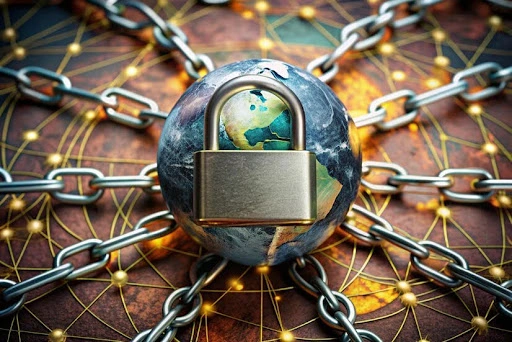
A Browser That Blocks the Noise
Let’s start with Brave itself, a browser designed from the ground up to keep users’ data private. At its core, Brave blocks trackers, third-party cookies, and even those annoying ads that follow you across websites like digital shadows. Unlike traditional browsers that let advertisers mine your habits for profit, Brave gives users control over their online experience. You can browse, knowing you aren’t being watched—well, at least not by the usual suspects.
Yet, Brave is only part of the solution. While it excels at blocking trackers and ads, it doesn’t entirely shield you from threats outside of its own ecosystem. Your Internet Service Provider (ISP) can still see what you’re up to, and the websites you visit may log your IP address. Moreover, government surveillance programs have grown increasingly sophisticated, casting a wide net over online communications. This is where a VPN steps in.
What Exactly Does a VPN Do?
If you’ve ever dipped your toes into cybersecurity, you’ve likely come across VPNs. A VPN—or Virtual Private Network—acts as a secure tunnel between your device and the internet. When you activate a VPN, it encrypts your traffic and routes it through a server in a location of your choosing. Instead of browsing the web directly from your device, all data first goes to this server, which in turn forwards it to your destination (be it a website or any online service).
So, if someone tries to intercept your data in transit, they’ll encounter nothing but gibberish, thanks to encryption. Your real IP address? Hidden. The websites you visit? Obscured. Essentially, a VPN cloaks your digital presence, leaving snoopers in the dark.
Lifehack! Almost all of us need to have both a secure connection and a direct fast connection. VPN for browsers is perfect for this task. You can use VPN on one browser, the same as Brave or Tor. This connection will be maximally secure. When you do not use VPN for the browser, you can watch 4k broadcasts and perform other tasks that require high Internet speed. So you distribute tunnels securely and fast.
Complementing Brave's Protections
Now, you might be thinking: “But if Brave already blocks trackers and shields my data, why would I need a Fast VPN?” It’s a fair question, but the answer lies in the differences between browser-level privacy and network-level privacy. Brave excels in blocking trackers and improving user privacy, but it operates primarily at the browser level.
Consider this scenario: you’re using Brave to visit a website, and Brave blocks all trackers, ensuring your activity on that site isn’t logged by third parties. However, without a VPN, your ISP can still monitor which websites you’re visiting. And if you’re connected to an unsecured public Wi-Fi network, cybercriminals could potentially intercept your traffic.
A VPN fills these gaps. By encrypting your connection, it ensures that not even your ISP can see which websites you’re visiting. When combined with Brave’s built-in protections, you create a multi-layered approach to privacy. Brave hides your browsing habits from advertisers, while a VPN shields your network activity from ISPs and potential hackers. For users deciding between popular services, the NordVPN vs Surfshark debate, highlighted in detailed reviews by Cybernews, shows both offer robust security features.
Geo-Restrictions? No Problem
Another major advantage of using a VPN alongside Brave is bypassing geo-restrictions. Many websites and services restrict access based on location. For example, streaming platforms like Netflix offer different libraries of content depending on where you’re browsing from. Without a VPN, you’re bound to the content available in your region.
A VPN, however, allows you to change your virtual location by connecting to a server in a different country. Want to access a show that’s only available in the UK? No problem—just connect to a UK-based VPN server. In combination with Brave’s tracker-blocking technology, you can browse with added peace of mind, knowing that you’re not only accessing the content you want but also doing so without being tracked.
Securing Public Networks
We’ve all been there. Sitting at a café, airport, or hotel, and suddenly realizing that you need to connect to Wi-Fi. Public networks are notoriously insecure, often lacking basic encryption, which makes them prime hunting grounds for cybercriminals. Whether it’s a hacker using a Man-in-the-Middle attack or someone eavesdropping on the network, your personal data is at risk.
Brave’s built-in protections can block trackers, but they can’t encrypt your entire connection. That’s the job of a VPN. By encrypting your traffic, a VPN ensures that even if someone is monitoring the public Wi-Fi, they won’t be able to see anything useful. Moreover, VPN by VeePN offers military-grade encryption that is impossible to crack. All they’ll get is an encrypted stream of data that’s impossible to read. So next time you’re sipping coffee at a café and working on your latest project, a VPN will be the invisible shield keeping your sensitive information safe.
Protecting Against Data Breaches
Another overlooked benefit of combining Brave with a VPN is enhanced protection against data breaches. Every time you connect to the internet without a VPN, your IP address is exposed to the websites you visit. If one of these sites is breached, hackers could potentially access your IP address, opening the door to more targeted attacks.
A VPN hides your IP address, ensuring that even if a website is compromised, your real location and identity remain concealed. This adds another layer of protection on top of Brave’s anti-tracking features, making it harder for malicious actors to tie your browsing habits back to you.
Conclusion
In the end, using a VPN with a privacy-focused browser like Brave isn’t just about safeguarding your data—it’s about reclaiming your right to privacy in an increasingly connected world. So why choose one layer of protection when you can have two?
Want to Learn More?
Dive deeper into the world of online privacy, cybersecurity, and digital tools by exploring our blog! Discover insightful tips, expert advice, and the latest trends to keep your online experience safe and seamless. Don’t miss out—there’s always something new to learn!
📚 Read More Blogs at FastSoftwares Blog

Sara Parker
Join me on my journey to a healthier lifestyle
Written by:
Similar Articles
Sign up for our Newsletter
Enter your email address to subscribe to this blog and receive notifications of new posts by email.

