
The Comprehensive Advantages of Offline Gaming: Why It’s Still Worth It in 2024
In today’s hyper-connected world, online gaming has become immensely popular, with millions of players worldwide enjoying multiplayer experiences and real-time interaction. However, there’s still a strong argument for offline gaming, a mode that has been a staple of the gaming industry for decades. While online gaming often steals the spotlight, offline gaming offers unique benefits that can’t be ignored. This article delves into the numerous advantages of offline gaming, exploring why it remains an essential and worthwhile experience, even in 2024.
What Is Offline Gaming?
Offline gaming refers to playing video games without an internet connection. Players enjoy a single-player experience or local multiplayer without requiring access to the web. This could include games on consoles, PC, or handheld devices where the user can play at their own pace without worrying about lag or connectivity issues.
While the gaming industry has evolved to embrace online connectivity, offline gaming remains an essential part of the gaming landscape, offering different experiences and advantages.
Key Advantages of Offline Gaming
Offline gaming continues to offer significant advantages to players. These benefits range from accessibility to personal control over gaming experiences, and they contribute to making offline gaming a more enjoyable and rewarding activity in the modern gaming environment. Below are the primary reasons why offline gaming still holds a solid place in the world of video games.
1. No Dependence on Internet Connectivity
One of the most significant advantages of offline gaming is that it doesn’t require an internet connection. Whether you’re traveling, experiencing connectivity issues, or living in an area with poor internet infrastructure, offline gaming allows you to enjoy your favorite games without worrying about online availability or interruptions.
In 2024, this advantage is more relevant than ever, as many regions around the world still struggle with unreliable or slow internet connections. Offline gaming ensures that you can always enjoy your gaming experience, regardless of your location or network limitations.
2. Eliminates Lag and Latency Issues
Online games, particularly those with a competitive or real-time element, are susceptible to lag and latency issues, which can negatively impact the gameplay experience. These issues occur when there’s a delay between player actions and in-game responses due to server overload or a slow internet connection.
With offline gaming, players can avoid these frustrating problems. There are no servers involved, meaning the game runs smoothly without delays, providing a more seamless and enjoyable experience. Whether you’re playing action-packed shooters, strategy games, or adventure titles, offline gaming offers smoother, uninterrupted gameplay.
3. Improved Focus and Less Distraction
Online games often involve chat rooms, pop-up notifications, and constant interaction with other players, which can be distracting and hinder immersion. Offline gaming, on the other hand, offers a more focused environment where you can immerse yourself entirely in the game world.
For players who appreciate narrative-driven games or single-player campaigns, the lack of distractions allows them to dive deep into the story and the gameplay mechanics. Without constant messaging or online alerts, players can dedicate their full attention to the experience, enhancing their overall enjoyment and engagement.
4. Cost-Effective
While many online multiplayer games are free to play, they often rely on microtransactions, subscriptions, or in-game purchases to make money. These can quickly add up, especially for players who enjoy competitive or regularly updated online games.
Offline games, in contrast, are generally a one-time purchase, with no ongoing costs beyond the initial price. You don’t have to worry about buying additional content unless you choose to, and you can enjoy a full experience without spending extra money. This can be particularly appealing for gamers on a budget or those who prefer not to be constantly bombarded with in-game purchases.
5. Greater Control Over the Gaming Experience
Offline gaming allows players to have complete control over their experience. There are no server maintenance downtimes, no connectivity issues, and no need to deal with online communities or unwanted interactions. You can play on your terms, pausing when needed, replaying levels, and deciding your pace.
Offline games often have more detailed settings and configurations to adjust difficulty levels, sound settings, and other features to suit individual preferences. This control is particularly advantageous for players who prefer a more relaxed, solo gaming experience without the pressure of competing against others online.
Types of Offline Games to Explore
Offline gaming isn’t limited to specific genres; it spans a wide range of options. Below are some of the most popular types of offline games that can offer an immersive experience.
1. Role-playing games (RPGs)
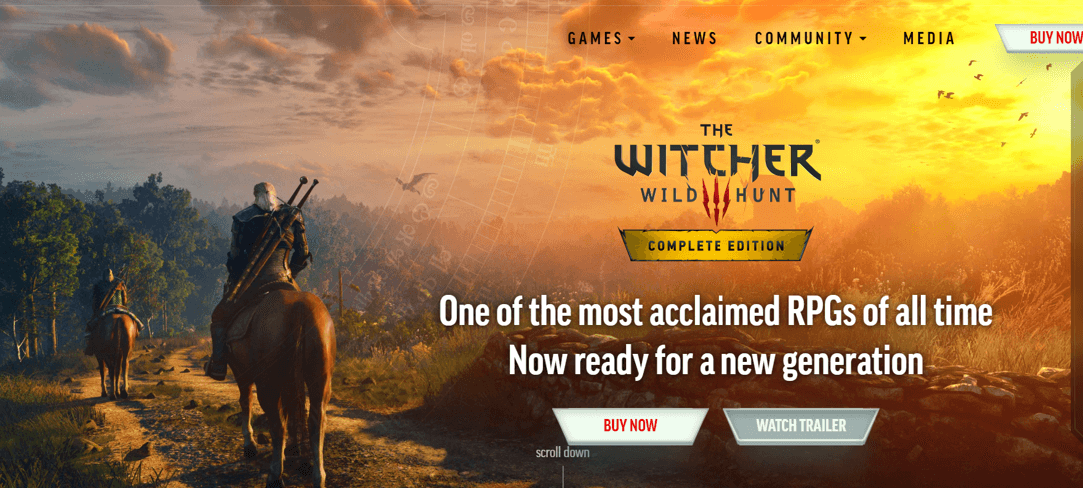
Role-playing games are a genre that often thrives in offline settings, with expansive worlds, deep narratives, and character development. Games like The Witcher 3: Wild Hunt, The Elder Scrolls V: Skyrim, and Persona 5 are prime examples of how offline games can provide hours of entertainment.
These games offer players the opportunity to explore vast open worlds, embark on epic quests, and build characters without needing an internet connection.
2. Strategy Games
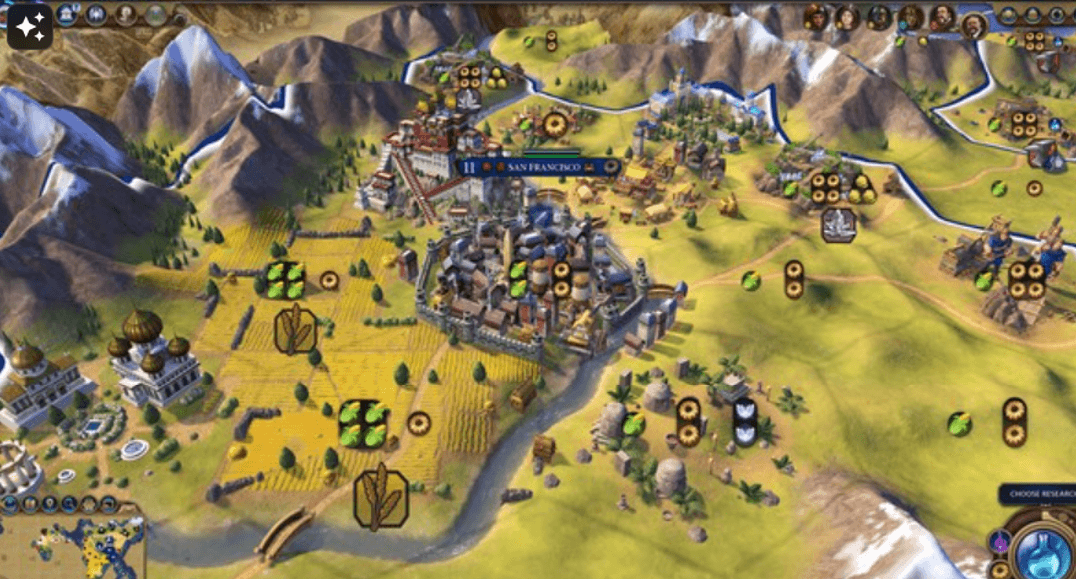
Strategy games, whether turn-based or real-time, are well-suited for offline play. Games like Civilization VI, XCOM 2, and Starcraft II allow players to plan and execute complex strategies without needing to rely on multiplayer interaction. The ability to pause, plan, and think critically makes strategy games an ideal choice for offline gaming enthusiasts.
3. Puzzle and Adventure Games
For gamers who enjoy slower-paced, thought-provoking experiences, puzzle and adventure games offer a rich offline experience. Titles such as The Legend of Zelda: Breath of the Wild, Portal, and Myst challenge players with intricate puzzles and immersive storytelling, all without the need for online play.
These games are often designed to be played solo, offering deep narratives and engaging environments that captivate players for hours.

4. Single-Player Shooters
For fans of action and fast-paced combat, single-player shooters like DOOM Eternal, Call of Duty: Modern Warfare (campaign mode), and Far Cry offer exciting, offline gameplay. These games provide high-intensity action with no need for online connectivity, ensuring a smooth and uninterrupted experience.

How Offline Gaming Can Be a Better Option
While online gaming undeniably offers a social element and multiplayer experience, offline gaming has certain benefits that can make it the preferred choice for many players. Here are a few reasons why some gamers opt for offline over online play:
1. Personal Time and Relaxation
Offline gaming offers the freedom to play at your own pace. There’s no rush, no pressure to keep up with other players, and no deadlines. This makes offline games a great way to unwind and relax after a long day.
Whether it’s getting lost in a single-player narrative or playing through a challenging puzzle game, offline gaming allows for more personalized and leisurely gaming experiences.
2. Avoiding Toxic Communities
In some online games, players may encounter toxic communities, where negative behavior, harassment, or toxic competitiveness can detract from the enjoyment of the game. Offline gaming eliminates this issue, offering a safe space for players to enjoy their hobby without dealing with unpleasant interactions.
3. No Updates or Maintenance Interruptions
Online games often require updates, patches, and maintenance, which can interfere with your gaming experience. During these downtimes, access to the game may be limited or unavailable. Offline games, however, do not have these interruptions, allowing for uninterrupted play whenever you choose to pick up the controller.
The Future of Offline Gaming
As the gaming industry continues to push for always-online games and multiplayer experiences, offline gaming might seem like a relic of the past. However, offline gaming is far from obsolete. Many developers continue to focus on creating rich, immersive single-player games, and there’s still a dedicated audience for offline experiences.
With advancements in gaming technology, offline games will only get better. From enhanced graphics to more complex artificial intelligence and larger open-world environments, offline games will continue to offer meaningful experiences to players who prefer not to engage in online play.
FAQs
1. Are offline games better than online games?
It depends on personal preference. Offline games offer more control, fewer distractions, and no reliance on an internet connection, while online games provide social interaction and multiplayer experiences.
2. Can offline games be updated?
Yes, offline games can receive updates, though these updates are usually optional. They don’t require a constant internet connection like online games do.
3. What are the best offline games for 2024?
Some of the top offline games for 2024 include The Elder Scrolls VI, Starfield, Hogwarts Legacy, and God of War Ragnarök.
4. Can offline games be played on mobile devices?
Yes, many offline games are available on mobile devices, including puzzle games, role-playing games, and strategy games.
5. Do offline games have multiplayer modes?
While offline games are generally single-player, some offer local multiplayer options where players can play together on the same device or console.
Conclusion
Offline gaming continues to hold significant advantages in 2024, offering uninterrupted, cost-effective, and immersive experiences that cater to players who value control, simplicity, and a personalized gaming journey. Whether you prefer solo adventures, strategic challenges, or deep narratives, offline games provide a refuge from the fast-paced, online-driven gaming world. As technology evolves, offline gaming will continue to be an important part of the gaming experience, offering a unique blend of entertainment and relaxation that cannot be replicated in online environments.

