The Future of Business Security: From Software Protection to Cloud Surveillance
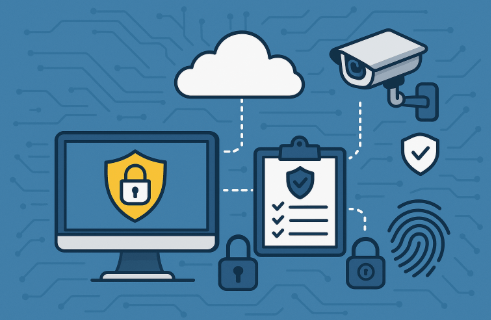
In today’s rapidly digitizing world, the landscape of business security is evolving at an unprecedented pace. No longer confined to firewalls and antivirus software, modern security strategies now encompass both digital and physical realms. From securing critical software infrastructure to protecting on-premise assets through intelligent surveillance systems, companies are adopting integrated approaches to ensure safety, compliance, and business continuity.
As cyber threats become more sophisticated and remote work continues to blur traditional boundaries, businesses must prioritize end-to-end security frameworks. This includes not only robust cybersecurity tools but also smart surveillance systems that adapt to dynamic work environments. The convergence of software and physical security marks the next phase in enterprise protection—a future where digital infrastructure and on-site monitoring work hand in hand.
Why Software Security Remains Fundamental
Every business today, regardless of size or industry, operates on a digital foundation. Operating systems, productivity tools, accounting platforms, and customer management systems all contribute to daily workflows. As such, safeguarding these digital assets is non-negotiable.
Threats like ransomware, phishing attacks, and malware can paralyze operations in minutes. The damage is often financial, reputational, and sometimes irreversible. Investing in licensed, regularly updated software is a foundational step to minimizing these risks. Legitimate licenses provide businesses with continuous security patches, access to support, and integrations with advanced threat detection tools that free or cracked software simply cannot offer.
Additionally, modern software solutions are increasingly adopting AI and machine learning to proactively detect anomalies and suspicious behavior. This shift from reactive to predictive cybersecurity helps businesses stay ahead of potential breaches before they escalate.
Cloud Surveillance: Bridging the Gap Between Cyber and Physical Security
While digital assets are crucial, physical security cannot be underestimated—especially as hybrid work models and distributed teams create new vulnerabilities in office environments. This is where intelligent surveillance systems enter the picture.
One of the most transformative advancements in physical security is the adoption of cloud based security cameras. These systems, unlike traditional CCTV setups, offer remote access, real-time alerts, and scalable storage solutions. Companies like Coram, for instance, are at the forefront of integrating AI with cloud surveillance, enabling businesses to monitor facilities, detect unauthorized access, and store footage securely without relying on on-site servers.
By leveraging cloud infrastructure, businesses no longer face the limitations of hardware failures or on-site storage constraints. Instead, they benefit from encrypted data streams, automatic backups, and easy retrieval from any location—making cloud-based surveillance both secure and operationally flexible.
Integrating Digital and Physical Security Strategies
The future of business security lies in seamless integration. Software and hardware should no longer operate in silos. When businesses unify their cybersecurity platforms with physical surveillance and access control systems, they gain a holistic view of their risk environment.
For instance, an attempted digital breach can be correlated with physical entry logs or video surveillance to identify insider threats. Likewise, identity management tools—such as single sign-on (SSO) software—can be synchronized with smart building access systems to ensure only authorized personnel access sensitive areas.
Cloud-based platforms play a pivotal role here, offering APIs and automation tools that allow various security components to “talk” to each other. This interconnectivity strengthens the organization’s ability to respond quickly, trace threats across multiple channels, and ensure compliance with data protection regulations.
Trends Driving the Future of Business Security
As we look ahead, several key trends are shaping how businesses approach their security infrastructure:
-
Zero Trust Architecture
This approach assumes no user or system is trustworthy by default, requiring continuous verification and strict access controls—both digitally and physically.
-
AI and Automation
Security solutions powered by artificial intelligence are capable of analyzing vast amounts of data to detect anomalies, assess risk levels, and automate incident responses. An experienced artificial intelligence development company can help you in creating AI-powered security solutions.
-
Remote Management
The rise of remote workforces has made cloud-native tools essential. Security administrators must be able to manage endpoints, update software, and monitor physical spaces from anywhere.
-
Compliance-Driven Security
With regulations like GDPR, HIPAA, and CCPA, businesses must now prove they’re taking appropriate measures to protect data and infrastructure. This has led to growing adoption of audit-ready software and tamper-proof surveillance systems.
-
Employee Awareness and Training
Human error remains a major security risk. Ongoing education around safe software practices, phishing detection, and incident reporting is becoming part of standard business protocols.
Benefits of a Unified Security Approach
By adopting an integrated software and physical security model, businesses stand to gain multiple advantages:
- Improved Risk Detection: Cross-referencing digital and physical data sources leads to faster and more accurate identification of threats.
- Operational Efficiency: Cloud-managed tools reduce the need for manual oversight and onsite personnel, saving both time and money.
- Enhanced Compliance: Centralized logs and reporting make it easier to meet regulatory requirements and conduct security audits.
- Business Continuity: Real-time alerts, automatic backups, and failover systems help businesses stay operational in the face of disruptions.
Final Thoughts
Security in the digital age is no longer a single solution—it’s a system of interconnected tools, policies, and technologies working together to defend every aspect of a business. As threats grow more complex, so too must our defenses. Companies that invest in both robust software protection and smart surveillance infrastructure are better positioned to face the challenges of tomorrow.
By embracing innovations such as cloud based security cameras from trusted providers like Coram, businesses not only safeguard their physical spaces but also bring their security strategy into the modern era. This dual approach—blending digital resilience with physical vigilance—is the cornerstone of secure and sustainable growth in the 21st century.
FAQs
Q: Why should businesses move from traditional CCTV to cloud-based surveillance?
A: Cloud surveillance offers remote access, real-time alerts, and scalable storage—features traditional systems often lack. It’s more secure and efficient for modern work environments.
Q: Is software licensing really important for small businesses?
A: Yes. Licensed software ensures access to updates, patches, and support, helping prevent breaches and maintain legal compliance.
Q: How can cloud-based tools integrate physical and digital security?
A: Through APIs and smart software, businesses can connect cameras, access control, and cybersecurity tools into a unified management system.
Ready to strengthen your business security from the ground up?
Start with licensed Microsoft solutions that form the backbone of any secure digital workspace. At FastSoftwares, we offer genuine Microsoft 365, Windows 11 Pro, and Microsoft Defender—trusted tools that power productivity while keeping your systems protected.
Secure your business today → Shop Microsoft Products at FastSoftwares