
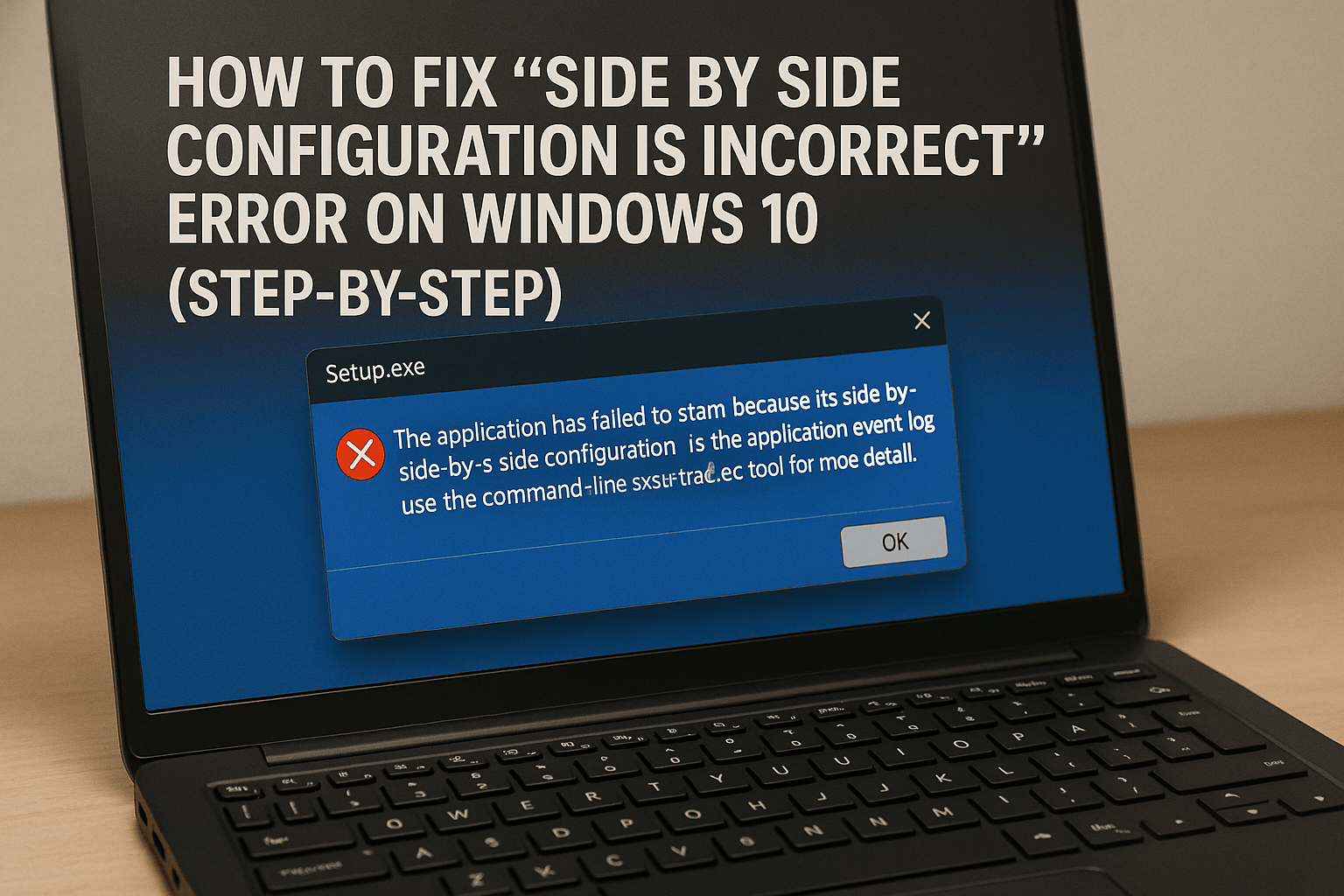
How to Choose the Right Productivity Software for Your Small Business in 2024
In the fast-paced world of 2024, small businesses thrive on efficiency. It’s no secret that staying organized, optimizing workflows, and improving collaboration are key to success. One way to make that happen is by leveraging productivity software. But with an overwhelming number of options available, how can a small business choose the right one? Well, buckle up. We’re about to break it down.

1. Understand Your Needs First
Before diving headfirst into a sea of software, take a step back. Assess what your business actually needs. Are you aiming for better team collaboration? Or do you need a way to track tasks and projects seamlessly? According to a 2023 survey by GetApp, 51% of small businesses stated that misalignment between software capabilities and company needs was their primary reason for switching tools. Defining your needs clearly will not only save time but also money. This step, though it seems obvious, often gets overlooked in the rush to adopt new tech.
A Few Questions to Ask Yourself:
- What problems do you need to solve?
- Do you need integration with other tools?
- How many people will use the software?
A simple example of understanding needs: you want to read novels online, because books are not always at hand. Where will you look for iOS novels? Obviously, you need access to a library with free novels online, but what other requests are there? Maybe you want to read free novels online with the ability to customize fonts or get the ability to download novels to memory. If you want to have access to thousands of novels online, track the release of new titles for free and have personalization tools, you will choose the FictionMe Romance Novels & Books platform. It has a virtually endless list of novels, a convenient application and you can download books to read in the future without an Internet connection. Mobile applications give you a unique opportunity to check FictionMe – Stories and Novels on the App Store if you an IOS user.
2. Budget Matters—But So Does Flexibility
Money talks, especially when you’re a small business with tight financial constraints. While it might be tempting to go for the cheapest option, keep in mind that cheaper isn’t always better. At the same time, the priciest software isn’t necessarily the right fit either.
In 2024, many productivity software providers offer flexible pricing tiers. Free versions might work for micro-businesses or startups, while small businesses scaling up may find value in premium features. In fact, research by Statista shows that small businesses spent around $600 per employee annually on software subscriptions in 2023, and this figure is expected to rise. So, balance affordability with future-proofing.
Consider These Pricing Models:
- Free/Premium Tiers: Tools like Trello and Slack offer basic features for free but charge for added functionalities.
- Pay-Per-User Pricing: Many software tools charge per user. Be sure to calculate how this impacts long-term costs as your team grows.
- One-time Purchase or Subscription Models: While most tools run on a subscription basis, others may offer a one-time license fee.
3. Look for Scalability
What works for your five-person team today may not be enough for your twenty-person team next year. Scalability should always be a consideration when choosing productivity software. You want tools that can grow with your business without requiring you to start from scratch with new systems.
For instance, a small team might begin using Trello, a simple project management tool. But as the team grows, they might integrate it with more advanced software like Jira for better issue tracking or Monday.com for enhanced task collaboration.
Key Elements of Scalability:
- Integrations: Can the software connect with other tools easily?
- Upgrading Plans: Can you seamlessly switch to a higher plan if you need more features?
- Cloud-Based vs. On-Premise: Cloud software is generally easier to scale as it doesn’t require physical infrastructure.
4. Evaluate User-Friendliness
The more intuitive a software solution, the faster your team can adopt it. Time spent learning a new tool is time taken away from productivity, and that’s not a trade you can afford. According to a 2023 survey by TechRadar, 78% of small businesses prefer software that requires little to no training. Complex tools may offer more features, but simplicity is gold, especially for teams that don’t have dedicated IT departments.
Test Usability:
- Trial Periods: Many software providers offer free trials. Use this time to explore the tool’s interface, and don’t hesitate to get feedback from the team.
- Customer Support: Check if the platform offers easy-to-access support, tutorials, or a community forum.
Tools with Notoriously Good UX:
- Notion: A favorite for its drag-and-drop simplicity.
- ClickUp: Known for its customizable dashboard and ease of use.
5. Integration is Everything
Your productivity software doesn’t exist in a vacuum. It should communicate with other tools in your digital ecosystem. From CRMs to accounting software, integration will save time and prevent data silos. Tools like the Xero dashboard help unify financial data, providing real-time insights that align with your broader operational goals. In 2023, 61% of small businesses reported challenges due to software that didn’t integrate well with their existing systems (Small Business Trends).
Popular Integration-Friendly Tools:
- Zapier: Acts as a bridge between thousands of apps, allowing them to “talk” to each other.
- Google Workspace: Naturally integrates with a wide range of tools, from email to document sharing.
What to Look for in Integrations:
- API Availability: Can you customize the integration through an API (application programming interface)?
Built-In Options: Does the software offer pre-built integrations with the tools you already use?

6. Security is Non-Negotiable
In 2024, cyber threats are only becoming more sophisticated. If your productivity software stores sensitive data (e.g., client details, business plans, financial information), security should be a top priority. Look for tools with strong encryption, multi-factor authentication, and regular security audits.
According to Cybersecurity Ventures, small businesses are targeted in 43% of all cyberattacks, with average losses exceeding $200,000. This makes investing in secure software more than just a precaution—it’s essential for survival.
Key Security Features to Consider:
- End-to-End Encryption: Ensures data is encrypted both at rest and in transit.
- Role-Based Access: Limits access to sensitive areas of the software based on team roles.
- Compliance Certifications: Does the software meet GDPR, HIPAA, or other industry-specific standards?
7. Customer Support and Training
When you encounter issues or need help, good customer support can be the difference between a minor hiccup and a full-blown catastrophe. Check if the software provider offers 24/7 support, live chat, or even a dedicated account manager for premium customers. For many small businesses, timely help can make or break productivity.
Ask Yourself:
- Does the provider offer on-demand tutorials?
- Is there a community or knowledge base to refer to?
Conclusion
Selecting the right productivity software for your small business in 2024 is a crucial decision. Whether it’s aligning with your business needs, fitting within your budget, or scaling with your growth, the right tool can be transformative. Take time to test options, involve your team in the decision-making process, and prioritize flexibility and integration. In the end, the goal is simple: enable your team to work smarter, not harder. The right software will do just that.
Looking for productivity software that perfectly fits your small business needs? Explore top software solutions at FastSoftwares today!
Written by:
Similar Articles
Sign up for our Newsletter
Enter your email address to subscribe to this blog and receive notifications of new posts by email.

