Solving ‘You Need Permission to Perform This Action’ Error on Windows 10
Introduction:
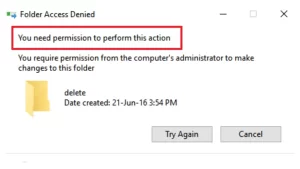
Encountering the “You need permission to perform this action” error message on Windows 10 can be frustrating, especially when you’re trying to access or modify files or folders. This error typically occurs due to permission issues or security settings within the operating system. However, fear not! In this guide, we’ll walk you through a series of troubleshooting steps to resolve this issue and regain control over your files and folders.
Understanding the Error:
Before diving into the solutions, let’s understand why this error occurs. Windows 10 implements a robust system of file and folder permissions to safeguard user data and system integrity. When you encounter the “You need permission to perform this action” message, it indicates that your user account lacks the necessary permissions to carry out the desired operation. This can happen for various reasons, such as insufficient user privileges, corrupted system files, or conflicting security settings.
Troubleshooting Steps:
Check File/Folder Permissions:
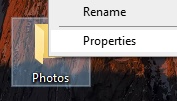
– Right-click on the file or folder displaying the error.
– Select “Properties” from the context menu.
– Navigate to the “Security” tab and click on “Advanced.”
– Ensure that your user account has the necessary permissions listed under the “Permission entries” section. If not, click on “Change permissions” and grant yourself full control.
Changing Permissions without taking Ownership of Files/Folders:
– If you’re still encountering the error, you may need to take ownership of the problematic files or folders.
– Right-click on the file or folder, select “Properties,” and navigate to the “Security” tab.

– Click on “Advanced” and then “Change” next to the owner’s name.

– Enter your user account name in the “Enter the object name to select” field and click “Check Names” to validate.
– Click “OK” to apply the changes and take ownership.
Disable User Account Control (UAC):
– Sometimes, User Account Control settings can interfere with file operations and trigger permission errors.
– Open the Control Panel and navigate to “User Accounts” > “Change User Account Control settings.”
– Drag the slider to the lowest level or select “Never notify” to temporarily disable UAC.
– Restart your computer and check if the error persists.
Run System File Checker (SFC) Scan:
– Corrupted system files can also lead to permission-related issues on Windows 10.
– Open Command Prompt as an administrator and type the command: sfc /scannow
– Press Enter and wait for the scan to complete. Follow any on-screen instructions to repair corrupted files.
Scan your device with Windows Defender
Staying on the antivirus track, it’s possible that the device has been infected with malware which caused the permission error to appear. To test if this is the case, use the integrated Windows Defender to scan your device and remove any viruses.
- Click on the Windows icon located in the bottom left corner of your screen. This will open up Windows 10’s tiled Start menu.
- Click on Settings, indicated by a gear icon. Keyboard pros can also use the Windows + I shortcut to launch the application faster.

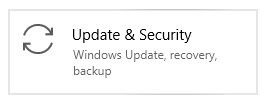
- When the Settings window finishes loading, you’ll see multiple menu options. Click on Update & Security.

- Using the menu on the left side, select the Windows Security page.

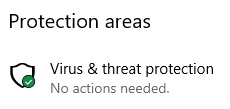
- Click on Virus & threat protection. This will open up a new window.

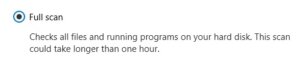
- Click on the Scan options link, then select a Full scan. Although this scan may take longer, it’s recommended to run it as opposed to a Quick scan. Malware often tries to hide from you, and a full system scan will most likely find it.


Wait for the scan to finish and take the appropriate action against any threats found.
Disable any third-party antivirus:
Here’s how you can temporarily disable an antivirus application.
- Open the Task Manager using one of the following ways:
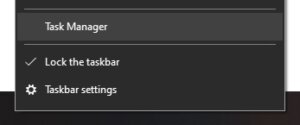
- Right-click on your taskbar and choose Task Manager from the context menu.
- Press the Ctrl + Alt + Del keys on your keyboard and wait for the security options screen to show up. Then, select Task Manager.
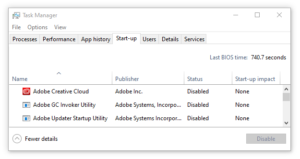
- If your Task Manager launched in the compact view, click on the More details option seen in the bottom left of the window.

- Switch to the Startup tab at the top of the Task Manager window. Here, you can see all of the applications that start along with your computer at launch.

- Select your third-party antivirus application, then click on the Disable button in the bottom right of the window. The status of the application should change to Disabled.
- Repeat this for every third-party antivirus software installed on your computer, then restart your device.
After completing these steps, your computer will launch without the third-party antivirus software, giving you the ability to check if your issue is resolved.
Conclusion:
By following the troubleshooting steps outlined in this guide, you should be able to overcome the “You need permission to perform this action” error on Windows 10. Remember to exercise caution when modifying system settings or taking ownership of files, and always ensure you have proper backups of important data. If the issue persists despite these efforts, consider seeking further assistance from Microsoft Support or reputable tech forums.